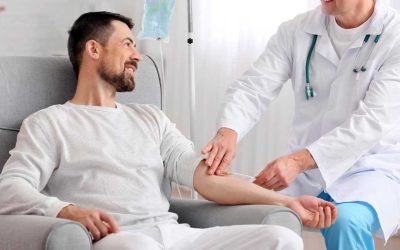
Platelet-rich plasma (PRP) therapy can help with erectile dysfunction by using a man’s own blood cells to try to fix blood flow and tissue health in the penis. To start, a doctor draws a small amount of blood, spins it in a machine to get the rich plasma, then puts it into the area that needs help. Some studies show PRP can make things work better for men with mild to moderate erectile problems. Results often depend on the cause of the problem and the person’s health. PRP is not a first choice and doctors still study how well it works. Next, the post will talk about how PRP works, what research says, and who may want to try it.
Key Takeaways
- PRP therapy is a regenerative treatment that uses a patient’s own blood to stimulate healing and enhance erectile function, providing a minimally-invasive option compared to conventional treatments.
- Here’s what clinical studies teach us: there are measurable improvements in erectile function after PRP treatment, and men report greater satisfaction than placebo, but results vary widely from person to person.
- The efficacy of PRP therapy varies based on patient health, age, underlying conditions, and usage of other ED treatments, emphasizing the importance of individualized treatment strategies.
- PRP therapy is considered safe with minor, temporary side effects such as bruising or swelling. Patients should review the potential risks and benefits with their doctor prior to undergoing treatment.
- Coupling PRP therapy with other forms of treatment or lifestyle adjustments could prove beneficial, and continued research will likely optimize protocols and improve efficacy.
- Patients intrigued by PRP for ED should have reasonable expectations, keep open communication with their provider, and get the latest in regenerative medicine for peak performance.
Understanding PRP Therapy
PRP therapy is a treatment that utilizes a concentrated sample of a patient’s own blood to accelerate healing and repair. Doctors initially used PRP for blood disorders in the 1970s, but its role has expanded. Now, PRP is being eyed for various medical needs, including sports injuries and sexual wellness. PRP delivers platelets to tissues needing repair. Oftentimes these cells don’t just control bleeding, they secrete signalling factors that initiate healing. In sexual health, this translates to PRP being able to repair tissue damage that causes ED. The course is non-invasive, rendering it appealing for individuals who want fewer risks.
The Science
PRP works by using the body’s own healing cells. When the doctor injects PRP, platelets in the mix release growth factors. These growth factors tell cells to grow and help make new blood vessels. In the penis, this means better blood flow and stronger erections. The goal is to help the body fix itself where damage or disease has slowed function.
Studies on ED display that a lot of cases begin with blood flow issues or tissue damage. Knowing this helps clarify why PRP, with its emphasis on repair, might play nicely. It’s not simply about circulation. PRP may promote the regeneration of nerves and smooth muscle cells. This wide-ranging tactic sets it apart from capsules or other therapies that provide temporary relief.
The secret to PRP’s worth is its ability to regenerate. Initial research indicates these regenerative impacts can persist longer than alternatives, but further investigation is necessary.
The Source
PRP is obtained from the patient’s own blood, hence it’s referred to as “autologous.” This renders it extremely safe and compatible with the body’s requirements. To obtain PRP, a nurse takes blood, treats it with an anticoagulant and centrifuges it. The spinning isolates the platelets, increasing their concentration by up to 5 times.
Using your own blood is better than synthetic options, which tend to cause more reactions. It yields a product teeming with platelets and growth factors—essential for treating injuries or enhancing sexual wellness.
More platelets = more healing power. This is why meticulous preparation matters.
The Goal
Research indicates PRP can increase erectile function scores like IIEF5 and EHS. One trial discovered that more than 80% of men experienced improved erections following PRP. PRP demonstrated larger improvements than placebo.
Doctors have a magic cutoff called the MCID — minimal clinically important difference — to determine whether a treatment actually makes a difference. PRP frequently approaches this standard for ED, demonstrating genuine progress.
More research is necessary to determine which patients benefit the most and how durable the effects are.
How Effective is PRP for ED?
Clinical research on PRP for ED demonstrates variable but promising results. Some evidence, including controlled trials and systematic reviews, demonstrates how PRP can assist in improving erectile function scores and satisfaction, but results vary by patient background.
1. Clinical Evidence
Research indicates that PRP works to enhance erectile function in certain men. One trial observed that at week-12, 27 men in the PRP group improved their IIEF5 score vs. 20 in control (P = 0.047). Another saw scores increase from a mean of 15.6 pre-injection to 19.9 four weeks later. Not all studies discovered robust differences, however.
One demonstrated comparable proportions in PRP (58.3%) and placebo (53.6%) men achieving important improvement thresholds at one month. Most studies concur adverse side effects are minimal, with mild bruising in 8.6% and rare fibrotic plaque formation. Bigger trials are needed to confirm effectiveness for all men.
2. Success Factors
Success with PRP is contingent on numerous factors. Age, comorbid disease and duration of ED all play a role. For instance, diabetic men might not experience the same improvement as other individuals. Integrating PRP with other ED therapies, such as oral medications or lifestyle modifications, can assist. Selecting the right patients—mild-moderate ED with no comorbidities—appears to yield the best outcomes. Customized patient-specific plans are essential.
3. Patient Outcomes
Patients report most men feel better after PRP. In one, 82.8% reported their erections had improved. Moderate to severe ED fell from 57% of men to 20% post-treatment. Better erections equate to less stress and better relationships for some. Still, the long-term effects require more research. While a few men report dramatic improvement, not all experience long-term gains.
4. Treatment Longevity
PRP effects persist for a minimum of four weeks, occasionally extending to six months. Booster treatments can help maintain results, but the timing differs for each individual. A few men require additional sessions to achieve optimal results.
5. Comparative View
PRP is less invasive than implants and has fewer side effects than many drugs. It involves a blood draw, processing, and penile injection, with little downtime. While regenerative treatments such as PRP are becoming popular, patient preferences and values remain paramount.
The P-Shot Procedure
Platelet-rich plasma, or the P-Shot as it’s often referred to, is a no surgery option for men with ED. It employs platelets from the patient’s own blood to encourage tissue repair and increase blood flow. Your candidacy depends on a number of factors, and the procedure has a specific protocol and recuperation period.
Your Candidacy
P-Shot candidacy is dependent upon good health, the severity of ED, and lack of certain medical conditions. They see patients with mild to moderate ED—typically non-responders to oral medications. A physician will screen for history and chronic illnesses. Active infections, bleeding disorders, or untreated mental health issues typically do not qualify. Hence, those with allergies to local anesthetics or a history of genital cancer might be ruled out.
A thorough review is essential. A doctor performs a physical exam, goes over medications and occasionally requests lab tests. This not only ensures the patient is sufficiently healthy for the procedure but can help uncover root causes of ED. Informed consent is key—patients need to know what PRP is, potential side effects, advantages, and limitations.
The Process
The P-Shot involves three injections, spaced 15 days apart. A small blood sample is drawn, then spun in a centrifuge to isolate platelets. The PRP is injected into targeted areas of the penis using a fine needle. Local anesthesia is used to numb the area, making the process nearly pain-free.
Physicians employ sterile techniques from start to finish to minimize the risk of infection. The procedure is fast—typically under 30 minutes—and patients are able to resume their normal activities, including work or school, the same or following day.
Post-Treatment
After treatment, patients are told to avoid sex for a couple of days to let the injection site heal. Minor side effects—swelling, redness, bruising—can happen but tend to fade within 4–6 days. Patients sometimes perform daily self-injections for several weeks.
Follow-up is key! Physicians follow up with patients, monitor outcomes, address concerns and screen for infrequent side effects such as infection or herpes flare-ups. Most effects max out after one to two months, and patients are encouraged to notify issues early.
Risks and Expectations
Most risks are minor—temporary pain or swelling. Serious problems such as infection or scarring are uncommon, but possible. It found that 69% of treated patients experienced meaningful improvement at six months, versus 27% of placebo. Still, there’s no long-term data, so manage your expectations.
Risks and Realities
PRP for ED is getting a lot of buzz as a non-surgical option, but it comes with expectations and limitations. Knowing the potential risks, side effects, costs, and realities is crucial for anyone contemplating this strategy.
Potential Side Effects
Most folks receiving PRP injections for ED will experience mild side effects. These encompass swelling, redness, and bruising at the needle entry point. They typically resolve spontaneously within 4–6 days. The risk of significant issues—such as infection, scarring, or reactivation of herpes simplex (cold sore)—is minimal. Still, patients should be aware of these risks. To be aware is to truly consent to the treatment. These side effects don’t last long, but some men worry about pain or cosmetic changes, particularly if they need to return to work quickly.
Cost Breakdown
The cost for PRP and the P-Shot can vary significantly. Prices often depend on the provider’s expertise and the clinic’s reputation. Most insurance plans don’t cover PRP for ED, as it’s not yet considered a standard treatment. Patients usually pay out of pocket. Some clinics may offer payment plans or financing options. It’s wise to ask about these alternatives before starting, especially for those who may not be able to afford treatment all at once.
Managing Expectations
Setting realistic goals is essential. PRP is not for everyone. Some patients notice changes within weeks; others may not see much difference at all. Factors such as age, general health, and the underlying cause of ED can affect outcomes. Open communication with your provider helps set appropriate expectations. Focusing on gradual improvements supports a more balanced mindset and helps avoid disappointment.
Penile Rejuvenation and Regenerative Medicine
PRP therapy aims to stimulate natural healing in the penis. It works to repair tissues and may be effective where other treatments haven’t helped. Success rates appear higher in men whose ED is caused by issues like poor blood flow, though results vary. Because ED is often tied to emotional or psychological health—such as depression—it’s important to treat the whole person, not just the physical symptoms. Most studies focus on short-term effects, and more research is needed to understand the long-term impact.

A Regenerative Perspective
A regenerative approach to ED focuses on rejuvenating natural penile function and pleasure through cutting-edge biological treatments. Penile rejuvenation focuses on reversing the course of age-related decline by stimulating tissue repair and increasing blood flow for long-term improvement rather than short-term symptom management. This regenerative mindset encompasses new therapies such as stem cell therapy, PRP injections, and adipose-derived regenerative cells, all intended to mend damaged tissue and rejuvenate vascular function.
Penile Rejuvenation
PRP therapy utilizes growth factors from the patient’s own blood to stimulate penile tissue repair, enhance elasticity, and promote stronger, healthier erections. Other studies indicate impressive improvements in IIEF5 scores for erectile function at 6 months post-PRP, but can be inconsistent. Pairing PRP with adjunct therapies – like stem cells or Li-SWT – can continue to restore function more, particularly in men with vascular damage and/or post prostate surgery. These breakthroughs emphasize the importance of treating the underlying cause of ED, not just symptoms, and provide promise for sustained recovery.
Combination Therapy
Coupling PRP with other ED therapies—such as oral PDE-5 inhibitors or vacuum devices—might produce better results than either alone. In fact, there’s proof that these pairings can be synergistic, enhancing circulation as well as tissue texture for better results. As an example, certain urologists may recommend PRP in conjunction with Li-SWT to focus on both vascular and structural concerns simultaneously.
Therapy regimens have to be customized, factoring in things such as age, health history and patient objectives. Urological consultants are key to shepherding these decisions and making sure all options align with the patient’s needs and desires.
Peyronie’s Disease
Peyronie’s is infamous for causing both penile curvature and ED, resulting in major blows to sexual health and confidence. PRP therapy might assist these patients by reducing scar and improving circulation, possibly alleviating both curvature and function. Research into PRP for Peyronie’s is scarce but encouraging when paired with other therapies. Tackling both conditions in unison can enhance fulfillment and life quality. We need more research to validate the effectiveness of PRP for Peyronie’s specifically.
The Evolving Field
Urology is evolving the treatment of ED with PRP and stem cell therapies.
Scientists are trying to figure out how to best utilize these tools for various ED forms.
Protocols and methods are still being optimized.
By keeping up with new developments, patients and doctors can make informed decisions.
The Future of PRP
PRP therapy is an exciting new treatment for the increasing worldwide burden of erectile dysfunction. PRP holds promise to urologists, but discussion continues over protocols, long-term safety, and who to treat. As more men look for dependable alternatives to ED, the future of PRP is being informed by specialists and clinical recommendations.
Expert Consensus
Continuing studies follow the effect of PRP on erectile function, citing randomized controlled trials and meta-analyses. Recent meta-analysis indicates PRP treated groups having improved erectile function and higher IIEF-EF scores at 1, 3 and 6 months compared to placebo. These results underscore the importance of strong clinical trials as benchmarks to guide clinical care. Clinical trials continue to be key in establishing treatment safety and efficacy, with studies now enrolling men between 30–75 years old with mild or moderate ED to further validate outcomes.
Regenerative medicine is advancing rapidly, and PRP research comes amid a larger effort to diversify ED treatments. Researchers are examining the potential of PRP to support nerve regeneration, particularly in animal models, opening up fresh avenues for addressing ED.
Ongoing Research
The preparation of the PRP, the dose, and injection location are all individualized per patient. Which means physicians are attempting to customize the treatment to what each individual requires, not just apply a ‘one size fits all’ methodology.
There’s interest in combining PRP with other therapies. For instance, utilizing it in conjunction with low-intensity shock waves (LISW) may enhance outcomes. New technologies, like improved centrifuge machines or imaging, could assist in making these treatments more effective and safer. The field still has to verify that these approaches actually guide long-term intervention, so continued research is paramount.
Evolving Protocols
Evidently, PRP is looking extremely promising — albeit experimental — tool for ED. While its impact on erectile function appears promising in the short term, we still need additional safety and long-term data.
Partnering with a provider is important to consider risks, benefits, and the latest research. Men with ED: stay ahead of new options, inquiring minds want to know. PRP is promising, but it’s not a magic bullet.
Conclusion
PRP for ED provides a new option for individuals seeking innovative therapies for this condition. Some guys notice an increase in blood flow and hardness. Because the shot uses your own blood, risks remain low. Research doesn’t provide a definitive answer yet. Doctors just keep testing it to see who it works best for. Others might require further evidence or prefer to remain with the previous options. Some may be primed to take the jump with PRP and test it out on their bodies. Health continues racing ahead. To find out, consult with a doctor who’s experienced with PRP. Discuss your thoughts and get advice tailored to you. Your feedback contributes to how care evolves for everyone.
Frequently Asked Questions
1. What is PRP therapy for erectile dysfunction?
PRP therapy for erectile dysfunction uses platelet-rich plasma from your own blood. The goal is to encourage natural tissue repair and improve blood flow in the penis.
2. How effective is PRP in treating erectile dysfunction?
Existing research is conflicting. While some men experience better function, research is scarce. Additional study is required to substantiate its efficacy.
3. What is the P-Shot procedure?
The P-Shot is a type of PRP treatment. A doctor injects platelet-rich plasma into specific areas of the penis to potentially enhance sexual function.
4. Are there risks with PRP therapy for ED?
Risks tend to be low because they use the patient’s own blood. Potential side effects encompass pain, swelling or infection at the injection site.
5. How long do PRP results for ED last?
It depends. While certain men experience advantages for months, it’s not a lasting effect. Treatment requires multiples.
6. Who is a good candidate for PRP therapy for ED?
So, for men who have been refractory to standard treatments and want to try something, PRP is it. A medical workup is crucial.
7. Is PRP therapy for ED approved by health authorities?
PRP therapy for ED is not authorized by most health authorities as a standard treatment. It’s experimental.
Unlock Your Body’s Natural Healing Potential with PRP Therapy at Vitalize Natural Medicine
Are you dealing with chronic pain, thinning hair, sports injuries, or age-related concerns? At Vitalize Natural Medicine in West Hollywood, Dr. Ryan Namdarkhan and his expert team offer Platelet-Rich Plasma (PRP) Therapy—a regenerative, science-backed solution designed to stimulate your body’s natural healing process.
This powerful treatment uses your own blood platelets to accelerate tissue repair, reduce inflammation, and enhance recovery. Whether you’re seeking relief from joint pain, looking to restore hair growth, improve sexual wellness, or boost overall vitality, Dr. Namdarkhan provides a personalized, holistic plan rooted in clinical evidence and natural medicine.
Every PRP protocol at Vitalize Natural Medicine is custom-tailored through advanced diagnostics and a deep understanding of your health history. With a focus on long-term wellness, Dr. Namdarkhan combines PRP with supportive therapies and lifestyle guidance for optimal results.
Ready to restore, regenerate, and feel your best—naturally? Book your consultation at Vitalize Natural Medicine today and see how PRP Therapy can help you thrive.
Disclaimer
The materials available on this website are for informational and educational purposes only and are not intended to provide medical or professional advice. You should consult with a qualified healthcare provider for advice concerning any particular medical issue or condition. Do not act or refrain from acting based on any content included on this site without seeking appropriate medical or other professional advice. The information presented on this website may not reflect the most current medical developments or practices. No action should be taken in reliance on the information on this website. We disclaim all liability for actions taken or not taken based on any or all of the contents of this site to the fullest extent permitted by law.