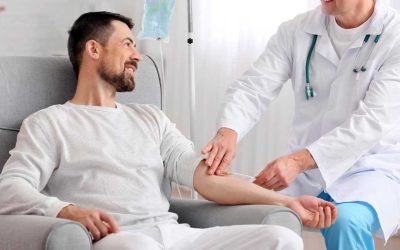
Doctors draw a little blood, centrifuge it to isolate the platelet-rich plasma, then inject that plasma into the area which requires care. Platelets are blood cells that repair wounds and accelerate healing by delivering growth messages to the body. While so many other clinics are doing PRP for joint pain or sports injuries or even hair loss. They go this route because it attempts to utilize the body’s own healing process instead of medication. For those who desire an uncomplicated, natural method to repair injured tissue, PRP may be a choice. The second part describes how it works more specifically.
Key Takeaways
- PRP therapy employs a patient’s own concentrated platelets and growth factors to boost natural healing, presenting an exciting alternative to conventional injury and chronic condition treatments.
- PRP’s success is contingent on the platelet concentration, patient health, and follow-up care recommendations, making evaluation and personalized attention key to this therapy.
- PRP injections stimulate tissue repair and regeneration by promoting cellular activity, releasing growth factors, and facilitating angiogenesis, leading to enhanced healing.
- Popular uses for PRP therapy range from promoting joint health and soft tissue healing to cosmetic skin rejuvenation and hair restoration, highlighting its versatility in both medical and aesthetic domains.
- Though it has minimal risks due to being autologous, it must be administered by trained clinicians in a sterile environment.
- Future research and innovation will continue to push the boundaries of PRP therapy, enabling it to be increasingly relevant and accessible for patients around the globe in need of minimally invasive regenerative solutions.
What is PRP Therapy?
PRP therapy refers to platelet-rich plasma therapy, a medical procedure in which a physician removes a small volume of a patient’s blood, treats it, and re-injects the platelet and plasma concentrate into an injured region. This approach aims to tap the body’s own proteins and growth factors to heal and repair instead of drugging it with foreign substances. PRP therapy purports to speed up healing following an injury or surgery. Its magic lies in its ability to differentiate it from traditional treatments, as PRP taps into only the patient’s own cells, eliminating any possibility of rejection or reactions.
1. The Concept
PRP, or platelet-rich plasma, is the backbone of regenerative medicine. It utilizes the body’s own healing agents found in blood—specifically platelets and plasma—to initiate and accelerate tissue repair. Platelets assist in clotting blood, but their advantage runs deeper. They are rich in growth factors, proteins that can aid in pain reduction and healing of muscles, ligaments, and tendons.
This therapy works by providing the body with additional quantities of its own healing cells, concentrated at the location of the injury. A lot of people view this as a natural approach to healing pain or injury, because it doesn’t involve drugs or synthetic implants. The buzz around PRP is growing all over the globe, particularly in sports medicine, orthopedics and even dermatology for skin or hair loss.
2. The Components
PRP is made from two simple parts: plasma (the clear, liquid part of blood) and platelets. Platelets are blood cells. Their primary role is helping blood clot, but they have hundreds of growth factors. These proteins assist the body in healing itself by communicating with repair cells and reducing inflammation. PRP injections can contain 5-10x more platelets than normal blood, which supercharges their healing potential.
Growth factors and bioactive proteins in PRP are pivotal in tissue growth and healing responses. To ensure PRP’s safety, physicians prepare it under sterile conditions, decreasing the risk of infection or complications.
3. The Goal
The purpose of PRP therapy is to accelerate the healing process of injured tissues. By providing the body with more of its own healing proteins where it’s needed, PRP can reduce inflammation, reduce pain and get people back to normal life faster.
PRP looks to restore function in joints or muscles post-injury. It can last for months — a year even — but it depends on the injury and the patient. PRP works by enhancing what the body already does naturally which can be helpful for those seeking a more holistic recovery without heavy pharmaceuticals.
4. The Difference
Unlike ancient remedies, such as steroid injections or operations, PRP is unique because it’s made with only the patient’s blood. This means less risk of rejection or side effects.
PRP can provide longer-term relief, whereas steroid shots may only be effective temporarily. Others see improved results after a few sessions.
PRP is considered a giant leap in regenerative medicine.
It helps the body heal itself.
How PRP Promotes Healing
PRP therapy takes a bit of a patient’s own blood and spins it down in a centrifuge to develop a solution of concentrated platelets, which are injected into an injured area. It’s designed to accelerate the body’s own natural healing, helping to make recovery quicker and less painful for individuals across the globe. PRP is commonly used for soft tissue injuries, joint pain, and conditions such as tendonitis because it uses your own body’s natural repair mechanisms.
Cellular Action
PRP injections initiate the healing cascade by activating reparative cells around the injury. At these elevated concentrations—typically 2 to 8 times their normal levels—platelets signal that they recruit other crucial cells required for repair, like fibroblasts and local stem cells.
Via angiogenesis, PRP fosters the growth of new blood vessels in damaged tissues. These new vessels deliver much needed oxygen and nutrients, allowing the body to regenerate tissue more efficiently. Angiogenesis helps PRP strengthen the area and support long-term recovery.
Platelets communicate with target cells by secreting growth factors. This fast-transmitted message instructs surrounding cells to begin constructing new tissue, repairing damage, and mopping up the debris. With concentrated platelets, this message is sent more effectively than the body would normally do on its own.
The web of signals between these cells helps orchestrate the repair. Without this signaling, healing would be slower and less orderly, explaining how PRP can provide a genuine benefit in tissue healing.
Growth Factors
Platelets in the PRP release a number of key growth factors such as vascular endothelial growth factor (VEGF) and platelet-derived growth factor (PDGF). These molecules initiate the healing cascade and recruit other cells required for tissue repair.
Growth factors promote healing by increasing collagen, which fortifies and repairs damaged tissue. This is crucial for both soft tissue and joint repair. They recruit stem cells to the region, which accelerates the healing response.
Greater growth factor concentrations in PRP=more healing signals. That’s why PRP’s success is often a function of how concentrated the platelets solution is.
Tissue Regeneration
PRP therapy can provoke tissue regeneration in muscles, tendons, ligaments and joints. In soft tissue injuries such as tennis elbow or chronic tendinosis, PRP has demonstrated it can decrease pain and increase function in just a few weeks.
PRP accelerates wound healing by initiating tissue regeneration. Most patients can get back to normal daily activities far sooner than with conventional treatments.
For chronic injuries, PRP seems to speed recovery and enhance results. Others indicate it could be beneficial for joint health and reduce the progression of injury in osteoarthritis, enhancing life quality for those afflicted.
Modulating Inflammation
PRP assists in decreasing inflammation at the injury site.
Less swelling means lower pain and quicker healing.
This effect supports faster recovery with less downtime.
The Treatment Journey
PRP therapy is a journey with a definite treatment path with thoughtful planning, precise execution, and consistent follow-up. This path is unique for every patient, influenced by personal health histories and therapeutic aims. A robust patient-provider partnership with transparent communication is key to managing expectations and guiding the healing process.
Preparation
- Blood Draw: The process starts with drawing a small amount (usually about 10–30 milliliters) of the patient’s own blood using a sterile syringe in a clinical setting.
- Hematologic Evaluation: Before the procedure, providers review blood counts to rule out anemia or clotting issues, ensuring patient safety and optimizing PRP quality.
- Medical History Review: Patients discuss their health history, recent illnesses, and any medications with their provider, focusing on factors that could affect healing or pose risks, such as anticoagulant use or immune disorders.
- Processing and Sterility: The blood is placed in a specialized centrifuge and spun at high speed to separate out the platelet-rich layer. All are done in a clean sterile setting to avoid infection.
One week prior to injections, patients abstain from anti-inflammatory drugs, which may impede platelet function as well as the healing response. Providers need to clearly describe the step, dispel concerns and verify that there are no contraindications.
The Process
- Confirm patient identity and targeted injection site.
- Platelets are separated from red and white blood cells using a centrifuge, producing a concentrated layer of plasma with a high concentration of growth factors.
- Scrub the skin with antiseptics and administer local anesthetic.
- Under ultrasound or precise anatomical guidance inject the PRP into the tissue (joint, tendon, scalp)
- Apply a sterile bandage after the injection.
It all requires some 30 to 40 minutes. Thanks to local anesthetics, most patients experience just a slight pressure or pinch. The procedure itself is generally well tolerated and infection risk is reduced through rigorous sterility.
Post-Treatment
Patients might experience slight tenderness or bruising around the area that tends to subside in a day or two. Over-the-counter pain relief, sans anti-inflammatories, is advised if necessary. We will schedule a follow-up visit 4-8 weeks after the injection to evaluate healing. If more treatments are necessary, they’re spaced approximately eight to 12 weeks apart. Patients should return to activity ever so slightly, beginning with light movements and builds over time. It protects healing tissue and promotes ideal recovery.
Patient Education
Education is key in managing expectations. Full benefits can take three to 12 months to manifest and results vary—some experience improvement after a single session, others after two or three. Providers need to provide transparent, candid information around potential side effects and realistic timelines. Research says 80 to 85 percent of patients experience decreased pain and improved function post-PRP, but every patient will react differently.
Common Applications
PRP therapy is utilized for a variety of problems where healing, pain relief, and tissue repair is required. The most common applications include:
- Joint health (osteoarthritis, joint pain)
- Soft tissue injuries (muscle tears, tendonitis, ligament sprains)
- Cosmetic skin rejuvenation (facial treatments, acne scars)
- Hair restoration (hair loss, scalp health)
- Adjunct to surgical repair (tissue healing after surgery)
Joint Health
PRP is healing for pain and motion in arthritic joints. Osteoarthritis patients, particularly knee patients, experience improved function and decreased pain after PRP shots. Big clinical trials demonstrate specific advantages for individuals with knee osteoarthritis, such as enhanced ambulation and reduced inflammation. The platelets’ growth factors can enhance bone metabolism and maintain joint integrity. A lot of patients require less pain medicine following PRP, as it assists in regulating inflammation and pain at the source.
Soft Tissues
PRP is great for soft tissue injuries, such as small tears in the Achilles tendon or chronic conditions like tendonitis or tendinosis. PRP in examples like tennis elbow and golfer’s elbow has demonstrated a return to function and reduction in pain quicker than typical care. Platelets emit growth factors that reduce inflammation and begin the repair process more quickly. For muscle and ligament injuries, PRP can assist in reducing recovery time for both chronic and acute issues. It’s become popular to use PRP during surgery by suturing it directly into the reconstructed tissue.
Skin Rejuvenation
A bunch of clinics use PRP for cosmetic treatments, like the infamous “vampire facial.” The growth elements in PRP ignite collagen production, which evens skin texture and provides increased elasticity. PRP is being utilized for acne scars, fine lines and skin spots with the amazing buzz of seeing results without the surgery. This has made PRP a go-to for anyone seeking skin renewal with minimal downtime. As a non-invasive alternative, it sparks the curiosity of individuals seeking to naturally rejuvenate their complexion.
Hair Restoration
PRP therapy is a hopeful treatment for hair loss and hair thinning. PRP injected into the scalp can rouse hair roots and increase circulation, which help foster new hair growth. Initial clinical trials demonstrate PRP’s efficacy in a variety of hair loss, including male and female pattern baldness. Others use PRP alongside additional treatments, as it can enhance general hair health and accelerate outcomes.

Efficacy and Considerations
Platelet-rich plasma (PRP) therapy is a regenerative treatment that uses a patient’s own blood—rich in natural growth factors—to promote tissue repair, reduce pain, and accelerate healing. This organic approach has gained popularity for addressing injuries and chronic conditions without relying on pharmaceuticals or invasive surgery. While its benefits are promising, outcomes can vary based on several important factors:
- Quality and concentration of platelets in PRP
- Individual healing response
- Patient’s health, age, and lifestyle
- Accuracy of diagnosis and treatment site
- Skill of the healthcare provider
- Protocol for post-treatment care
Success Factors
The success of PRP therapy depends largely on how concentrated the platelet solution is—ideally 2x to 8x above normal levels. These platelets carry powerful proteins like PDGF, TGF-β, VEGF, EGF, and adhesive proteins such as fibrin and fibronectin, which play critical roles in healing.
A patient’s overall health matters too. Non-smokers who manage stress and follow post-treatment instructions (like avoiding anti-inflammatories before and after therapy) tend to experience better outcomes. Accurate application of PRP by an experienced provider is essential for targeting the correct area and maximizing healing.
Research shows that up to 80–85% of patients with conditions like tendonitis see significant improvement, though results will naturally vary from person to person.
Potential Risks
PRP is considered low-risk because it uses your own blood. However, mild risks include pain, tissue irritation, or infection at the injection site. Serious side effects are rare but may occur in those with underlying medical issues. That’s why it’s important to work with a trained clinician who follows strict safety and sterilization protocols.
Treatment Frequency
Most individuals benefit from two or three sessions, spaced a few weeks apart. Because healing occurs gradually, optimal results are usually seen between three and twelve months. The number of sessions you may need depends on your condition and response to treatment. Your provider should monitor your progress and adapt the care plan accordingly.
Financial Considerations
Since PRP is still considered an emerging therapy, insurance does not always cover the cost. Out-of-pocket costs can vary depending on the provider and the complexity of your condition. However, for many patients, PRP ends up being more cost-effective over time compared to repeated medication use or surgical intervention.
A Practitioner’s Perspective
For them, PRP therapy represents the marriage of science and the art of healing. They trust their clinical acumen, but honor the body’s innate healing capacity.
Art vs. Science
With PRP, the art of the practitioner is as important as the science. Every individual’s physiology and medical background is unique. Clinical expertise indicates that the practitioner varies the number of injections, volume of plasma, and timing for each session. For instance, a young athlete with a minor knee injury may require less treatments than an older patient with a chronic tendon problem.
Selecting the optimal schedule is a matter of discretion. The practitioner considers lab data, injury type, patient lifestyle, and even expectations. They need to understand the fundamentals—platelets heal by releasing growth factors, and plasma is the carrier. Knowing how to read a patient’s response to treatment is as important as the science itself.
Patient Suitability
PRP therapy isn’t for everyone. Clinicians first screen patients for medical conditions such as bleeding disorders or ongoing infections. They review past medical history and current medications to prevent adverse events. A prime candidate tends to be the person with mild to moderate injuries who wants to give a natural low-risk approach a shot.
Training the patient is half the battle. This procedure—taking blood, spinning it in a centrifuge, injecting the concentrate—should be demystified. Patients have to be informed about potential mild pain or swelling, which typically resolves in days. Open discussions facilitate goal setting and alignment.
Future Outlook
PRP therapy is constantly evolving as new research emerges. Research is underway to determine how it may assist other problems, such as joint degeneration or hair loss. Clinical trials are required to demonstrate what strategies are most effective.
More clinics administer PRP following surgeries or injuries, and with improved instruments, it can be delivered more quickly. For the majority, the session requires just 30 to 60 minutes — a reasonable investment. As additional information is received, PRP may become a routine aspect of treatment in several medical specialties.
Conclusion
PRP therapy utilizes your body’s own cells to aid in the repair of injured tissue. Physicians draw a little blood, centrifuge it to access those nutrient rich platelets, and then inject those platelets directly into the area of the body that has to be healed. Who wouldn’t want a faster fix and less pain if you had knee pain, a tendon tear or wound on your skin. Most people are comfortable throughout the process and require minimal downtime to recover. PRP might not work for everyone, but more studies keep emerging. If you want a repair that comes from your own body, consult a trusted health professional. Be curious about new tools in health, and keep learning about options that fit your needs.
Frequently Asked Questions
1. What is PRP therapy?
PRP therapy takes a patient’s blood, centrifuges it to concentrate the platelets, and then injects it into specific regions. This aids in promoting natural healing without introducing foreign substances.
2. How does PRP promote healing in the body?
Platelets are loaded with growth factors that repair tissues. Once injected, they promote cell growth and accelerate healing in the targeted region.
3. What conditions can PRP therapy treat?
PRP is often used in cases of joint injuries, tendon damage, muscle strains, and even hair loss. It’s used in certain skin treatments.
4. Is PRP therapy safe?
PRP therapy is safe due to the fact it uses your own blood. Side effects are uncommon but can include mild discomfort, swelling, or bruising at the injection location.
5. How long does a PRP treatment take?
A standard PRP session is around 60 to 90 minutes. This ranges from blood collection/preparation to the injection process.
6. How soon can results be expected after PRP therapy?
While results can vary, most people see an improvement within a few weeks. Others might require multiple sessions for optimal results.
7. Who should avoid PRP therapy?
Individuals with blood disorders, infections or specific medical conditions should not undergo PRP therapy. A doctor can help decide if PRP is right.
Unlock Your Body’s Natural Healing Potential with PRP Therapy at Vitalize Natural Medicine
Are you dealing with chronic pain, thinning hair, sports injuries, or age-related concerns? At Vitalize Natural Medicine in West Hollywood, Dr. Ryan Namdarkhan and his expert team offer Platelet-Rich Plasma (PRP) Therapy—a regenerative, science-backed solution designed to stimulate your body’s natural healing process.
This powerful treatment uses your own blood platelets to accelerate tissue repair, reduce inflammation, and enhance recovery. Whether you’re seeking relief from joint pain, looking to restore hair growth, improve sexual wellness, or boost overall vitality, Dr. Namdarkhan provides a personalized, holistic plan rooted in clinical evidence and natural medicine.
Every PRP protocol at Vitalize Natural Medicine is custom-tailored through advanced diagnostics and a deep understanding of your health history. With a focus on long-term wellness, Dr. Namdarkhan combines PRP with supportive therapies and lifestyle guidance for optimal results.
Ready to restore, regenerate, and feel your best—naturally? Book your consultation at Vitalize Natural Medicine today and see how PRP Therapy can help you thrive.
Disclaimer
The materials available on this website are for informational and educational purposes only and are not intended to provide medical or professional advice. You should consult with a qualified healthcare provider for advice concerning any particular medical issue or condition. Do not act or refrain from acting based on any content included on this site without seeking appropriate medical or other professional advice. The information presented on this website may not reflect the most current medical developments or practices. No action should be taken in reliance on the information on this website. We disclaim all liability for actions taken or not taken based on any or all of the contents of this site to the fullest extent permitted by law.