PRP therapy, or platelet-rich plasma therapy, is a medical treatment that utilizes a patient’s own blood to aid healing in joints, muscle and skin. Research from the last ten years presents varying findings on PRP’s effectiveness, with some evidence demonstrating definite improvements with joint pain and orthopedic injuries. Other trials respectively highlight less apparent benefits, particularly for skin care and hair loss.
Clinics and wellness centers market PRP as a safe way to jump-start healing, but most experts agree more research is needed. To answer if PRP therapy is backed by science or just a wellness trend, it helps to check out what current research says and where specialists apply it most. The following section examines the underlying science.
Key Takeaways
- PRP therapy taps the body’s regenerative potential by concentrating platelets and growth factors to stimulate tissue healing, but its efficacy is influenced by factors such as patient selection and preparation protocols.
- Science backs PRP in some orthopedic injuries, osteoarthritis, hair regrowth and skin rejuvenation — seeing variable clinical success depending on the condition and patient.
- Its known health benefits extend far beyond hair restoration, allowing patients to heal wounds and recover from injuries much faster than they would normally.
- Patients beware of marketing hype and do your research, as existing research is equivocal and underscores the need for skepticism before treatment.
- Talking with informed doctors, hearing about the entire process from initial appointment to recovery, and discussing reasonable expectations are key parts of the patient experience with PRP.
- Regulatory oversight, professional guidelines and continuing research will be key to providing safe, standardized and efficacious PRP treatments to patients worldwide who are considering this promising therapy.
The Science Behind PRP
Platelet-rich plasma (PRP) therapy is on the science of the body’s own way to heal. PRP is derived from the patient’s blood and spun to increase the concentration of platelets and growth factors. This concentrated cocktail is then administered to assist the body in recovering from an injury, utilizing the same mechanisms that power natural healing.
Platelet Function
Platelets are tiny cells in blood that converge quickly to wounds. They begin clotting and assist in arresting bleeding.
Once at the wound, platelets release bioactive molecules. These contain proteins that direct cells to repair and construct tissue, which is important for repair.
The platelet count in PRP is important. Higher concentrations may offer more powerful healing, but the optimal concentration remains under research. The process shifts when platelets are ‘turned on’ or activated. This step enables them to dispatch their healing signals. How each batch of PRP is prepared, as well as whether it contains white blood cells or sticky proteins like fibrin, can impact its effectiveness.
Growth Factors
PRP is loaded with growth factors—like IGF, TGF-β, and PDGF—that trigger cell growth and tissue repair. These components accelerate the work of cells that repair skin, tendons or muscle.
Research indicates the growth factors in PRP can aid recovery in muscle tears, tendon injuries, and bone repair. For instance, in sports medicine, PRP is used for tendon issues such as tennis elbow.
The function of each factor varies by tissue. IGF aids in the growth of new muscle cells. TGF-β aids in regulating inflammation and generating new tissue. PDGF soaks up attracting repair cells. While growth factor release is associated with improved healing in certain studies, findings vary.
The Healing Cascade
The healing cascade is how the body repairs tissue. There are three main phases: inflammation, new tissue growth, and remodeling. PRP fits by backing each stage.
With PRP, it can alter the way healing cells and chemical signals interact. This can potentially accelerate recovery, reduce inflammation, and promote circulation to the location.
For soft tissue injuries, the healing cascade is crucial. PRP can assist by providing additional healing signals at the appropriate time. Basic techniques to produce and apply PRP are still in trial, as outcomes can vary with various formulations and applications.
PRP can assist a variety of tissues. Its impact on blood flow, swelling and cell activity is the reason it’s applied in bone, joint, dental and sports injury treatment.
Evidence-Based PRP: What Research Shows
PRP therapy has captured a lot of attention for its applications in musculoskeletal medicine, dermatology, and aesthetic treatments. The table below summarizes clinical research by major application areas.
| Condition | Study Design/Size | Outcomes | Success Rate |
| Orthopedic Injuries | RCT, 99 pts (rotator cuff) | PRP > steroids in pain & function at 3 months | 54.8% (12 studies) |
| Osteoarthritis | RCT, 118 pts (knee) | PRP > steroid at 6 months, improved joint function | Superiority in RCTs |
| Hair Regrowth | Multiple small RCTs | Improved density in androgenetic alopecia | Positive results |
| Skin Rejuvenation | Case series, pilot trials | Improved texture, elasticity, scar reduction | Growing evidence |
1. Orthopedic Injuries
A well-designed, 99-patient randomized controlled trial discovered that PRP beat corticosteroids in both pain and function for partial-thickness rotator cuff tears. For sports injuries, several randomized trials demonstrated PRP can accelerate recovery relative to standard treatments. PRP aids post-ortho surgeries, with patients frequently healing better and feeling less pain. An important benefit has been found for chronic tendon injuries such as tennis elbow, though it is not always better than autologous blood injection.
2. Osteoarthritis
One large RCT with 118 participants with knee OA found that PRP offered more pain relief than steroid injections six months after treatment. Others compared PRP to extracorporeal shockwave therapy and found PRP better for pain. PRP may slow disease progression, but data is mixed. Most patients experience moderate gains, though not everyone receives enduring advantage.
3. Hair Loss
PRP appears to stimulate new hair growth by rousing hair follicles with growth factors. A Rogenetic alopecia clinical trial showed thicker, denser hair after multiple treatments. Patients undergoing PRP are often more satisfied than those receiving conventional treatments. Younger adults with mild to moderate thinning hair respond best, particularly if treatment is initiated early.
4. Skin Rejuvenation
PRP facials function by delivering growth factors to the skin, enhancing its texture. Small trials discovered that PRP assisted in reducing scars and fine lines. It’s safe and has minimal side effects. Synergizing PRP with microneedling or laser could provide even more impressive effects.
5. Study Limitations
Most of the studies are small or use different methods to prepare PRP, which makes findings difficult to compare. Such standard rules for how to make and use PRP are needed. More big, long term trials need to be conducted for us to really understand the efficacy of PRP.
The Great Divide: Where PRP Shines and Fails
PRP therapy occupies a great divide in medicine—it can work well, yet sometimes it doesn’t. The science behind PRP is simple enough: by taking a person’s blood, spinning it down, and injecting the part with the most platelets, doctors hope to kick-start healing with growth factors. This all sounds great, but the details are important.
Where PRP holds real promise is in some soft tissue injuries. For tendon problems — like tennis elbow — and a subset of knee osteoarthritis sufferers, a small number of studies demonstrated superior pain and function scores following PRP when other interventions, such as corticosteroid injections, failed. The mechanism for this is perhaps their high levels of growth factors that promote cellular growth and repair. As for bone healing, lab tests have found that PRP can stimulate myoblast cells to convert into osteoblasts, suggesting a potential use in bone grafting or repair.
Even big studies don’t always agree. A meta-analysis of six randomized trials of various applications of PRP discovered a lack of obvious benefit after two years. More mixed results for hair loss or skin treatments, where the benefits at times seem more like placebo. Where it succeeds or fails, though, often depends on how the PRP is crafted. The four general types of PRP, divided by their white cell and fibrin content. Each type behaves a little differently in the body. With so many kits and machines out there, the final product can vary quite a bit from clinic to clinic.
Patient selection is everything. PRP is most effective in mild to moderate cases and in younger, healthier individuals. Those with advanced disease or immune complications might not experience significant benefit. A lot of people believe PRP is a panacea, which it’s not. It doesn’t repair all injuries or regenerate new tissue overnight. The three-step process– draw blood, spin, inject– makes PRP sound easy, but small tweaks can change results.
The Patient’s Journey
Patients who are contemplating PRP therapy are being compromised physically and emotionally. As we know, chronic issues such as osteoarthritis can limit your daily activity, lead to pain, and impact your well-being. For the patient, the PRP journey begins with diagnosis and can include multiple touch points, from initial consultation through post-treatment care. More often than not, they collaborate with a team of healthcare providers, family, and caregivers to discover what suits their individual situation.
- Patients are initially diagnosed, a sometimes difficult and emotional period, particularly with chronic or severe diseases.
- They might try multiple treatment methods, such as PRP injections, to minimize pain and regain function.
- The success of PRP is very much case by case, depending on a lot of factors — like the severity of your condition, your general health, and the treatment specifics.
- Others experience significant pain relief and improved mobility, while others benefit minimally from the treatment.
- There’s everything from frustration and anxiety to hope as patients transition between treatments.
- Generally, all patients require a combination of treatments and continued care from medical providers and loved ones.
The Consultation
Patients should anticipate a thorough overview of their history and symptoms at the initial PRP consultation. This step verifies whether PRP is suitable to assist based on their medical history and current diagnosis.
Your provider will inquire about treatment goals and talk about what to expect in terms of results. This section is crucial for ensuring that you and your care team are all on the same page. Patients should inquire about risks, benefits, how many sessions might be necessary, and what alternatives are available.
The Procedure
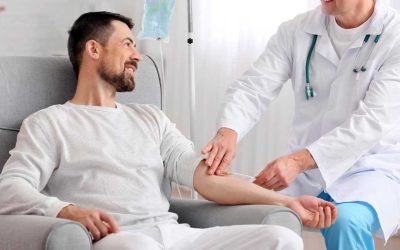
A PRP injection begins with a blood draw. The blood is spun down in a machine to isolate platelets, which are injected into the trouble spot. It’s based on sterile instruments and comfort protocols including numbing creams. Prp single vs double spin There are various PRP techniques, like single compared to double spin, each serving specific purposes. There may be pain, swelling or bruising at the injection site for some individuals, but serious side effects are uncommon.
The Recovery
- Rest the area for a few days
- Use ice packs for swelling
- Avoid heavy activity or strenuous exercise
- Follow medication guidelines as advised
- Keep the injection site clean
You’re likely to experience mild pain or stiffness from the shot. Others experience swelling, which typically subsides within a few days. Follow-up visits monitor progress, assist with chronic symptom management, and modify treatment plans if necessary.
Emotional and Psychological Aspects
There’s stress, worry, and sometimes doubt when you live with chronic pain and hear about innovative treatments like PRP. Hope is a wonderful thing but it’s easy to feel disappointed if results are slow or don’t meet expectations.
Family, friends and support groups ease these sentiments. Providers too, by listening and providing candid updates about what PRP can and cannot do.

Beyond The Hype: A Critical View
PRP therapy has burst out of the confines of sports medicine and into the spotlight of mainstream wellness, with audacious promises of rapid healing or fresh-faced youth. Although social media and celebrity endorsements have driven its ascendance, the science behind PRP is more nuanced than marketing implies. Readers, consider the evidence, not just what’s hot, about PRP.
The “One-Size-Fits-All” Myth
PRP is frequently marketed as a panacea for all sorts of ailments, from joint injuries to hair loss to skin rejuvenation. The research doesn’t suggest that it works the same for all of us. Studies demonstrate that outcomes can differ significantly by the patient’s age, wellbeing and ailment.
Custom plans are key. What works for a young athlete with a sports injury may not work the same in an older patient with chronic joint pain or a cosmetic patient. Some patients have dramatic improvement, others not so much. The dangers of assuming a ruler will fit all is obvious—without prudence, patients could spend valuable time and money on a treatment unlikely to aid them.
The Cost-Benefit Reality
| Treatment Type | Average Cost (USD) | Possible Long-Term Savings |
| PRP Therapy | $500–2,500/session | Potential, if effective |
| Physical Therapy | $50–350/session | Yes, if prevents surgery |
| Surgery | $5,000–15,000 | Sometimes |
PRP can be expensive, and isn’t always covered by insurance. Other clinics may charge more due to location or perceived expertise. If PRP works, it could save money by preventing surgery or long-term medication. Inconsistent results and no standardization mean a lot of people don’t receive those savings. Patients have to balance expenses against demonstrated efficacy and alternatives.
The Regulatory Gray Zone
- A number of professional organizations have put forward guidelines, but these differ considerably.
- No global standard exists for PRP preparation or protocols.
- Clinics typically establish their own safety and efficacy standards.
- Oversight is inconsistent, raising risks of poor-quality treatments.
The Need for Critical Thinking
Social media hype and anecdotal reports inform opinions more than clinical data. Just 11.1% of published articles provide robust support for PRP effectiveness. The absence of standardization and varying patient results indicate to be wary. With insufficient study, it’s difficult to make intelligent decisions.
Making An Informed Decision
Platelet-rich plasma (PRP) therapy may sound promising, but a savvy decision involves considering the bigger picture. Patients should inquire what PRP can, cannot and remains uncertain. The science of PRP is equivocal. While a handful of studies show benefits, the majority are small or of low quality. For instance, combined data from four clinical trials demonstrated a minor decrease in temporary pain for a subset of patients. The grounds for this are flimsy. One Dutch randomized trial found that PRP with more white cells aided pain and function in elbow tendinopathies. Experts concur that stronger, better-designed studies are necessary prior to labeling PRP a demonstrated cure for the majority of conditions.
A big issue is that preparation and application of PRP by clinics differs widely. Others use alternate machines, or add or subtract white cells, or alter how much blood they spin down. This makes it difficult to rough-compare results or have a sense of what to expect from treatment. Without standard methods to prepare PRP, the purported benefits are difficult to validate or replicate. Patients should be aware that, at this point, science still doesn’t have answers about how and why PRP works.
Cost is another genuine issue. PRP treatments can cost $500 to $2,500 apiece, and most require multiple sessions. Most health plans won’t cover PRP, so patients pay cash. That’s a huge commitment for a potentially minor or questionable benefit treatment.
Safety, of course, is a bonus. PRP has been used for decades, particularly in dental surgery, and is safe. Thousands of patients have had PRP for wound healing in the mouth and jaw, with minimal side effects. This track record provides a certain reassurance, but safety isn’t always effective.
Talking with a qualified doctor is a must. Doctors can walk you through potential results, hazards, and if PRP is right for you. Among the best sources are peer-reviewed journals, official guidelines from health groups, and reputable hospital websites. Patients need to be realistic and not assume dramatic results.
Conclusion
PRP therapy teeters on the edge of legitimate science and audacious assertions. There are a few solid studies that demonstrate strong results for knee pain and certain sports injuries. Other applications, such as skin care or hair loss, require more solid evidence. With doctors and clinics creating and delivering PRP in a variety of ways, results can vary drastically. Patients desire rapid, safe solutions but genuine solutions require more transparent evidence, not just optimistic faith! To proceed, verify the information and consult experienced professionals. Care for your health and see what’s best for you. Stay on top of new news and research. Tell your story or ask a question if you care to help others know more about PRP and health decisions.
Frequently Asked Questions
1. Is PRP therapy supported by scientific research?
Yes, there are studies backing prp therapy for certain applications — like a few joint injuries and hair loss. The jury is still out and more quality research is necessary.
2. What conditions can PRP therapy help treat?
PRP therapy is primarily employed for joint pain, sports injuries, and hair loss. There is some evidence for it for these conditions, but results may differ from person to person.
3. Is PRP therapy safe?
Because PRP utilizes a patient’s own blood, the potential for allergic reactions is greatly reduced. Side effects are generally minor, such as injection-site pain. Serious complications are infrequent.
4. How long does it take to see results from PRP therapy?
It depends, a lot of people see progress within a few weeks to months. The timeline, of course, varies based on what is being treated and each individual’s unique physiology.
5. Is PRP therapy a proven cure?
No, PRP therapy isn’t a cure. It can sometimes alleviate symptoms or accelerate healing, but it cannot promise full recovery.
6. Is PRP therapy covered by insurance?
PRP therapy is experimental in most countries and not covered by health insurance. Patients typically pay out of pocket.
7. How do I know if PRP is right for me?
Consult your provider. They can evaluate your situation and talk about whether PRP therapy is appropriate given the existing science and your specific health requirements.
Unlock Your Body’s Natural Healing Potential with PRP Therapy at Vitalize Natural Medicine
Are you dealing with chronic pain, thinning hair, sports injuries, or age-related concerns? At Vitalize Natural Medicine in West Hollywood, Dr. Ryan Namdarkhan and his expert team offer Platelet-Rich Plasma (PRP) Therapy—a regenerative, science-backed solution designed to stimulate your body’s natural healing process.
This powerful treatment uses your own blood platelets to accelerate tissue repair, reduce inflammation, and enhance recovery. Whether you’re seeking relief from joint pain, looking to restore hair growth, improve sexual wellness, or boost overall vitality, Dr. Namdarkhan provides a personalized, holistic plan rooted in clinical evidence and natural medicine.
Every PRP protocol at Vitalize Natural Medicine is custom-tailored through advanced diagnostics and a deep understanding of your health history. With a focus on long-term wellness, Dr. Namdarkhan combines PRP with supportive therapies and lifestyle guidance for optimal results.
Ready to restore, regenerate, and feel your best—naturally? Book your consultation at Vitalize Natural Medicine today and see how PRP Therapy can help you thrive.
Disclaimer
The materials available on this website are for informational and educational purposes only and are not intended to provide medical or professional advice. You should consult with a qualified healthcare provider for advice concerning any particular medical issue or condition. Do not act or refrain from acting based on any content included on this site without seeking appropriate medical or other professional advice. The information presented on this website may not reflect the most current medical developments or practices. No action should be taken in reliance on the information on this website. We disclaim all liability for actions taken or not taken based on any or all of the contents of this site to the fullest extent permitted by law.