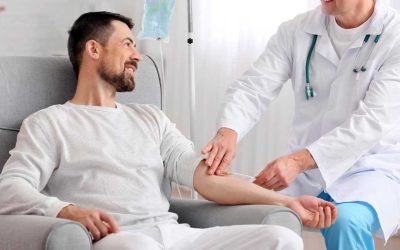
PRP therapy is considered safe and worth it for people over 40, as it has minimal side effects because it utilizes the individual’s own blood. A lot of people in this age group look to PRP to reduce the discomfort of joint pain, accelerate soft tissue healing, or promote hair growth. Doctors commonly employ it for knee osteoarthritis or tendon problems, and the majority of research notes mild risks such as swelling or soreness.
Over 40 can experience slight improvements in pain or healing, but may vary depending on their health or the treated issue. Others feel it’s expensive as insurance won’t cover it, so the key is balancing the benefits with the price and potential outcome. The following sections reveal real results, dangers and what to expect.
Key Takeaways
- PRP therapy uses a patient’s own platelet-rich plasma to stimulate tissue repair and regrowth, which is why it’s such a safe bet for people over 40 when administered by reputable professionals.
- Age-related factors, such as decreased platelet function and chronic health conditions, can influence the effectiveness of PRP therapy, so thorough medical evaluations are essential before starting treatment.
- The practitioner’s skill and experience are what makes PRP safe and effective for us older folks.
- PRP has clinical support for joint pain, skin quality and quality of life, but your mileage may vary.
- Patients, meanwhile, should have realistic expectations, understanding that PRP therapy often results in slow progress and pairs best with a healthy lifestyle.
- Taking into account cost, learning about the therapy’s longevity value, and investigating payment options all make sense for anyone considering PRP therapy as a treatment.
What Is PRP Therapy?
PRP therapy is an acronym for platelet-rich plasma therapy. It’s a therapy that utilizes a patient’s own blood to aid the healing and rejuvenation of tissues in the body. The concept is to utilize the portion of blood plasma, which carries a concentration of platelets and growth factors, to stimulate the body’s inherent repair mechanism. It’s become increasingly common throughout sports medicine, dermatology, and orthopedics.
It begins with a blood draw from the patient, typically 15–60 milliliters. The blood is placed in a centrifuge, which spins rapidly to separate the plasma and platelets from red and white blood cells. The end result is a small amount of plasma with a significantly elevated platelet concentration—some research cites approximately 7 billion platelets. This equals or exceeds the US FDA’s minimum platelet cutoff for PRP. The plasma is then pulled into a syringe and inserted directly into the area requiring healing, like, say, a painful joint or a damaged tendon. For joint pain, physicians may inject PRP directly into the joint space with imaging assistance to direct the needle.
PRP therapy is for a multitude of reasons. In orthopedics, it’s being tested as a means to treat osteoarthritis, seeking to support the growth and maintenance of cartilage cells called chondrocytes. Some lab work even indicates that PRP from younger donors can help these cells adopt a more youthful cartilage phenotype, characterized by increased type II collagen and SOX-9—a marker of healthy joint tissue. In skin care, PRP is applied to assist in skin renewal and accelerate healing for wounds or scars.
The growth factors in PRP have a big part in how this works. Platelets release proteins that act like messages to cells — telling them to begin repairing and constructing tissue. Since these growth factors are key for healing, that makes PRP a tool with broad application for care. Certain clinics utilize fresh PRP, others use frozen PRP. Studies have shown that frozen PRP can act just as well as fresh, providing flexibility in storage and application.
Is PRP Therapy Safe Over 40?
PRP therapy leverages plasma from a patient’s own blood to stimulate healing in joints, skin or other areas. So, is PRP therapy safe after 40? For those of us in the 40+ age bracket, there are certainly concerns about the safety and advantages of this procedure with the aging process.
The Autologous Advantage
Utilizing a patient’s own blood makes it less susceptible to allergic reactions and transmission of disease. It’s known as the autologous advantage. Because there’s no donor plasma, the risk of infection or immune rejection plummets. The body’s own platelets contain proteins that aid in tissue repair, which is essential for recovery. It’s safer, for instance, than getting a knee injection – there’s less chance of catching bloodborne illnesses than through treatments with donated material. This method accelerates healing, because the body identifies its own cells and reacts quicker.
Age-Related Risks
Is PRP therapy safe over 40 Platelet quality and function can decline with age, which could impact the body’s healing potential. Chronic conditions such as diabetes or arthritis, more prevalent with age, may further decelerate this. Physicians tend to observe less joint tissue repair or skin in patients over 65 versus patients in their 20s or 30s. For this reason, a deep dive into a patient’s health prior to initiating therapy is required. This assists identifying dangers and ensures that PRP is safe for each individual.
Practitioner’s Role
The training and expertise of the provider administering PRP therapy is a much bigger factor in safety and outcomes. An experienced provider understands how to customize each plan to the patient, considering their age, health and ambitions. They establish expectations, so patients have a sense of what to expect before, during and after the procedure. For older adults, having a provider who can modify techniques for age-related changes and identify any rare side effects is even more crucial.
Clinical Evidence
PRP has been explored in different fields and age groups, with studies often noting positive changes over time. Some research looks at joint comfort, others at skin appearance, and some at variations in preparation methods. Overall, it’s generally described as well-tolerated, and short-term reactions are usually mild.
Is PRP Therapy Worth It Over 40?
PRP therapy gets noticed for enhancing life in your 40s and beyond. This technique harvests your own blood, isolates platelet-rich plasma, and injects it into desired zones. Research finds improvements for skin texture, joint discomfort, and general well-being, but results may differ depending on your age and overall health.
1. Realistic Expectations
Results with PRP therapy are slow to come, with subtle changes observed over weeks as opposed to days. So most people over 40 are not going to see a dramatic shift overnight.
Your personal health, age and lifestyle habits can really affect the outcome. Healthy people can have better effects, but those with chronic ailments may not. PRP does help shore up healing, but it’s not going to undo all aging changes. Open discussions with the physician assist to establish a definitive plan and prevent mirage-like optimism.
2. Platelet Quality
The robustness and concentration of platelets in each sample will determine how effective PRP is. Higher platelet concentration correlates with better skin density and healing in studies. We found that using cutting edge techniques to prepare the plasma makes the treatment more effective and longer lasting.
While research does indicate that younger individuals might have more potent platelets, those over 40 can still experience genuine improvements — particularly with the right preparation.
3. Treatment Area
PRP is for skin on the face and scalp and for joints. Where the injection is administered will affect its speed of recovery and duration of results. Face treatments could reveal enhanced density in the forehead and cheeks, observed in clinical trials. Joint injections — commonly for knee OA in 50–65-year-olds — can assist with pain and restore joint work.
The care team will select the optimal plan according to each individual’s needs and objectives. There are important distinctions in PRP use for skin versus joints, so expertise and training count.
4. Lifestyle Impact
Eating well and moving more can make PRP work better.
Daily decisions determine your body’s recovery speed after each appointment.
The individuals who adhere to a hearty regimen — skin care and workouts — end up experiencing the best results long term.
Ongoing effort is key.
5. Financial Cost
PRP therapy can be expensive, with each visit potentially not insured.
Be savvy and check the price of PRP against other treatments, as results won’t be immediate and may take more than one visit.
Inquire with the clinic regarding payment plans so you can prepare in advance.

PRP vs. Other Treatments
PRP therapy is often compared to options like steroid injections or surgery. Each comes with its own purpose, level of invasiveness, and potential outcomes. PRP is considered regenerative in nature, while steroids tend to focus on reducing discomfort, and surgery aims to address structural problems more directly.
How well each approach works can depend on many individual factors. PRP is usually seen as less invasive, but its results can be less predictable. Steroids may provide quicker relief, though their effects don’t always last long. Surgery can deliver more permanent changes but carries greater risks and longer recovery times.
Choosing between these treatments often comes down to personal priorities—how much risk you’re comfortable with, how quickly you want results, and what kind of recovery process you’re willing to take on.
The Regenerative Mindset
The regenerative mindset views health through a broad aperture, not simply addressing aches but seeking to repair or restore what’s damaged. Those of us over 40 may experience joint pain or slow healing, particularly with osteoarthritis. PRP therapy, which uses a patient’s own blood to produce a platelet-rich plasma, matches this concept. It’s to repair tissue, not to cover up symptoms. It’s a way to shift away from the hack mentality, and instead, embrace long-term health and slow, sustainable progress.
PRP therapy is in tune with the regenerative medicine ethos — helping the body heal itself. In osteoarthritis, PRP is injected into joints to assist in growing new cartilage and prevent wear. This is not normal care, like steroid shots or pain pills, that merely relieve pain temporarily. Other studies associate PRP with increases in type II collagen and SOX-9 in joint cells — indicators of tissue behaving young again. Lab studies suggest PRP from younger individuals might be more efficacious than that of older subjects. This suggests that age and health count, and older patients might derive less from PRP than younger compatriots. Some research claims no distinct benefit to counterfeit shots; however, some claim short-term advancement in discomfort and mobility.
It means viewing treatment as just one component of a grander strategy. PRP can’t work miracles. It’s most effective when combined with things like exercise, nutrition, and proactive joint care. That way, they consider their entire body, not just a throbbing knee or shoulder. It’s key to seek out ways to nip issues in the bud instead of waiting for a joint to deteriorate.
Others think this perspective has the potential to transform medicine away from repair and toward genuine renewal. Yet, PRP’s lift can last just a couple of months. The area continues to expand, but additional evidence is required to understand the potential harms and optimal applications.
Maximizing Your PRP Results
If you want to maximize your PRP results, then planning and effort are essential. There are a lot of variables that can influence results, particularly for individuals over 40, so it’s beneficial to understand how to approach before, during and after care.
- Arrange for multiple treatments, as studies indicate that three 4–6 week apart treatments can provide superior enhancement of skin density and thickness, particularly in the forehead region for patients over 40.
- Ensure the clinic has a good prep protocol. Contemporary techniques are able to produce as many as 4 plasma fractions from one blood draw—namely C-PRP, PRP LCC, I-PRF, and F-PRF. This can help you maximize value and potentially better outcomes from each visit.
- Utilize ultrasound if possible. A 22 MHz probe can record these changes in your skin’s structure, allowing you and your provider to measure actual progress that is beyond what you see in the mirror.
- Make sure to attend all of your follow-up appointments. Consistent check-ins allow your provider to evaluate your skin’s reaction, adjust your regimen, and handle concerns before they escalate. This is significant because while some individuals do experience mild side effects — redness, swelling or bruising — post-injections, these are typically minor and not caused by the PRP itself.
- Pair PRP with other treatments when appropriate. For others, combining PRF with PRP can increase collagen production and fibroblast levels – potentially amplifying the outcomes, particularly in regions with thinning skin.
- Continue your education on PRP. Keeping up to date on new research, techniques and best practices ensures you collaborate with your provider and make informed decisions as you age.
- Be realistic. Patient satisfaction varies, as the majority of individuals are “satisfied” but not necessarily “very satisfied.” Understand the outcomes vary according to your age, skin condition, and your body’s response.
- Don’t forget, long term safety still requires further research. Most studies track patients for just four months, so regular check-ins with your practitioner are key as you search for lasting and safe results.
Conclusion
PRP therapy garners so much attention for a reason. Those over 40 want safe ways to heal joints, grow hair, and slow age. Research demonstrates PRP’s efficacy for numerous, with minor hazards such as inflammation or discomfort. Results vary, and tend to depend on your health, goals and doctor’s skill. PRP is different from other shots or pills in that it uses your own blood, not pharmaceuticals. Certain individuals experience improved range of motion or hair growth. Some will require longer, or a combination with additional treatment. Considering PRP? Discuss with an expert physician and inquire about your well-being, expenses, and genuine outcomes. Want to keep up? See new research or contact us for more information!
Frequently Asked Questions
1. Is PRP therapy safe for people over 40?
PRP therapy is safe and worth it for people over 40. Side effects are uncommon and typically minor.
2. Are there any risks for older adults with PRP therapy?
The risks are minimal since PRP uses your own blood. Some might have mild pain or swelling at the injection site.
3. How effective is PRP therapy for those over 40?
It’s not a magic bullet, results may differ based on your health and condition.
4. How does PRP compare to surgery or medication?
PRP is less invasive than surgery and typically has fewer side effects than drugs. While it may not supplant these treatments, it is a worthwhile option.
5. How many PRP sessions are needed to see results?
Most require 2–3 sessions for visible results, but this differs. They will recommend a plan according to your needs.
Unlock Your Body’s Natural Healing Potential with PRP Therapy at Vitalize Natural Medicine
Are you dealing with chronic pain, thinning hair, sports injuries, or age-related concerns? At Vitalize Natural Medicine in West Hollywood, Dr. Ryan Namdarkhan and his expert team offer Platelet-Rich Plasma (PRP) Therapy—a regenerative, science-backed solution designed to stimulate your body’s natural healing process.
This powerful treatment uses your own blood platelets to accelerate tissue repair, reduce inflammation, and enhance recovery. Whether you’re seeking relief from joint pain, looking to restore hair growth, improve sexual wellness, or boost overall vitality, Dr. Namdarkhan provides a personalized, holistic plan rooted in clinical evidence and natural medicine.
Every PRP protocol at Vitalize Natural Medicine is custom-tailored through advanced diagnostics and a deep understanding of your health history. With a focus on long-term wellness, Dr. Namdarkhan combines PRP with supportive therapies and lifestyle guidance for optimal results.
Ready to restore, regenerate, and feel your best—naturally? Book your consultation at Vitalize Natural Medicine today and see how PRP Therapy can help you thrive.
Disclaimer
The materials available on this website are for informational and educational purposes only and are not intended to provide medical or professional advice. You should consult with a qualified healthcare provider for advice concerning any particular medical issue or condition. Do not act or refrain from acting based on any content included on this site without seeking appropriate medical or other professional advice. The information presented on this website may not reflect the most current medical developments or practices. No action should be taken in reliance on the information on this website. We disclaim all liability for actions taken or not taken based on any or all of the contents of this site to the fullest extent permitted by law.