High-performers are turning to PRP for recovery and peak performance due to the fact that it uses components of their own blood to aid in tissue repair and reduce recovery time. PRP, or platelet-rich plasma, has found its way into sports and health care for muscle, joint and tendon problems. For a lot of athletes and professionals, PRP is how they’re getting back to work or training faster. Research indicates that PRP can assist with pain and facilitate the body’s self-repair mechanisms. PRP is not merely for injuries, but sees use to help maintain muscles and joints. To glimpse how PRP slots into a larger strategy for health and performance, the following sections illustrate what studies and real-world examples reveal.
Key Takeaways
- Platelet-rich plasma (PRP) therapy provides high-performers with a cutting-edge, all-natural method to speed recovery, minimize downtime, and stimulate tissue regeneration, allowing them to get back on the field and circuit sooner.
- Leveraging the body’s growth factors and cell signaling, PRP directly promotes focused repair of soft tissue, offering highly effective treatment of injuries without extensive dependence on synthetic medications or invasive procedures.
- When incorporated into athletic routines, PRP enables proactive care, putting you in control to optimize your body, avoid injury, customize recovery, and sustain musculoskeletal health through ongoing monitoring and adjustments.
- PRP’s systemic benefits — think better joint health, cellular upkeep, and elevated athletic performance — are a boon for both short-term recovery and long-term physical resilience.
- With physician oversight and structured protocols, we can maximize PRP efficacy, monitor patient response and maintain safety standards — helping optimize treatment on an individual level.
- As with any emerging treatment, it’s essential to be mindful of possible side effects, recognize that results may differ among patients, and keep up to date with regulatory standards to use it safely and responsibly.
Why High-Performers Choose PRP
High-performers from sports, business, and other high-demand fields understand that quick, safe, and dependable recovery can distinguish them. That’s why PRP therapy is a standout option for those who want to remain at the top, recover well, and sidestep extended downtime. Here’s why many are turning to PRP:
- Less downtime means faster return to your training or work.
- Utilizes your body’s own healing system—no foreign chemicals or drugs.
- Proactive care helps stop injuries before they happen.
- PRP demonstrates an 80-85% recovery rate for joint and soft tissue injuries.
- The relief can be for months, two years even.
- Effective for multiple issues, from skin regeneration to joint discomfort.
- Well-researched, safe, and with a long track record.
1. Faster Healing
Growth factors in PRP accelerate healing after injury. These are factors from the patient’s blood, matched and safe.
These concentrated platelets in PRP jump-start tissue repair and supercharge regeneration. It comes in handy for soft tissue injuries such as muscle strains or ligament tears. Consider, for instance, how athletes with tendon injuries experience faster progress than rest by itself. Because PRP utilizes what the body already has, it’s a logical tool for faster, safer recovery. Most feel better within weeks, which is far earlier than surgery.
2. Reduced Downtime
PRP can reduce recovery times relative to surgery or chronic medication. This is crucial for high-performers who can’t sustain being out of training or work for months.
This rapid recuperation helps athletes maintain their momentum and avoid necessary downtime. PRP works with busy schedules because most of us can return to our regular day immediately following treatment.
The danger of long-term issues decreases, too, as PRP teaches the body to repair itself correctly the first time.
3. Natural Approach
PRP emphasizes what the body does best- heal. Because they use your own blood to make the plasma, there’s minimal risk of a bad reaction or rejection.
Since it’s not a drug or surgery, PRP is a good fit for those looking for a more natural path to healing. There are no synthetic chemicals and it’s less invasive. A lot of high-performers just sleep better at night knowing their recovery aligns with the body’s natural equilibrium.
4. Proactive Care
PRP isn’t just about old injuries. It can be applied to prevent future injuries, particularly for those with a history of joint or tendon issues.
Routine check-ups and PRP on-demand can catch injuries before they become severe.
This strengthens their foundation for lifelong wellness, allowing high-performers to stay in the game as long as they wish.
It’s a smart way to handle the body’s needs.
5. Targeted Repair
PRP can be targeted directly to where it’s needed, such as a sore knee or torn muscle.
Doctors can personalize the treatment for each individual, therefore, it’s specific.
If it’s aimed at tendons, ligaments or joints, healing is more focused and may be more thorough.
It accelerates healing of difficult tissues and high-performers back to their A-game.
The Science of PRP
PRP treatments aren’t new; they’ve been studied for more than 30 years. The science focuses on how platelets, growth factors, and biological signals collaborate to accelerate healing and promote tissue regeneration. PRP therapy is now employed globally for muscle, tendon, and joint injuries, and the research keeps driving new concepts and methods forward.
Growth Factors
The real PRP boost comes from the growth factors housed inside platelets. These factors include platelet-derived growth factor, transforming growth factor-beta, and vascular endothelial growth factor. All participate in the repair. Cytokines in PRP assist in controlling swelling, which is critical for pain and recovery. VEGF is particularly significant for angiogenesis, providing healing support to tissues with relatively low blood flow such as tendons or cartilage. Getting the optimal number of platelets matters—a concentration near 1 × 10^6/μl is the prescription for enhanced healing of bone and soft tissue. Too low, and the impact falls off. Too high and it can even inhibit healing.
Cell Signaling
Healing isn’t just about the cells there but how they communicate with each other. PRP functions by initiating cell signaling that instructs stromal cells—cells that reside within tissues—to awaken and begin repairing damage. When platelets encounter these cells, they release signals that initiate the repair process. PRP recruits inflammatory mediators, which are necessary to initiate repair but need to be regulated in order to prevent excessive swelling. The equilibrium PRP provides allows the body transition from inflammation to repair — directing cells to multiply, differentiate and deposit new tissue.
Tissue Scaffolding
As it turns out, PRP does more than just signal—it can help shape the repair site. When injected it creates a soft clot, or matrix, that new cells use as a scaffold. This fibrin network provides structure in the first few days of healing, trapping cells in place where they are needed most. The scaffold aids your body in developing new tissue that is robust and aligned—not fragile scar tissue. This is why PRP can assist tendons, ligaments, and muscles in healing with improved structure and function.
Biological Mechanisms
Platelets, of course, were essential for clotting. Now, their function in healing is more clear. In PRP, they secrete growth factors and proteins that regulate angiogenesis, cell migration, and tissue regeneration. Current studies are investigating optimal preparation and application of PRP, employing varied spin cycles or methods of ‘activating’ the platelets for improved outcomes.
Integrating PRP into Training
PRP has secured its foothold in high performance training, as athletes and doctors chase quicker rebounds, enhanced pain relief and optimized results. In the last 10 years, PRP protocols evolved significantly, fueled by research and clinical experience. Today, PRP is more than an experimental therapy—it’s a component of comprehensive plans for injury recovery and optimal performance.
Injury Treatment
PRP is now a front line option for tendon tears, ligament sprains and muscle strains in numerous sports settings. For instance, football players with partial ligament tears commonly receive PRP shots early to reduce time sidelined. These therapies aren’t plug and play. The number of sessions, mode of delivery, and timing are all dictated by the injury’s severity. A mild strain might require only a single PRP injection, whereas a severe tendon tear might require three or more over the course of weeks. Collaborating with sports doctors and rehab teams is crucial. This collaboration allows healthcare professionals to monitor recovery and modify treatment plans in real time.
Recovery Protocol
PRP works best when it’s integrated into a larger strategy. Most athletes integrate PRP with customized physical therapy. This could imply multiple PRP sessions if the injury is chronic, each session separated by a week or more to allow growth factors to reset. Pairing PRP with other regenerative treatments, such as stem cell therapy or dry needling, can assist certain athletes recover more quickly. Progress is monitored with straightforward pain scores or advanced imaging, ensuring the rehab plan is proceeding as anticipated.
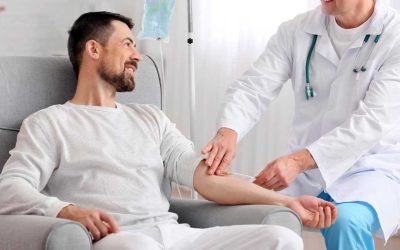
Athletes should abstain from anti-inflammatory drugs at least a week prior to each PRP session, as these can interfere with platelet function. Most clinics request that athletes arrive well-hydrated and having eaten a normal meal, as both can alter platelet quality. The procedure begins with a blood draw—typically 30–60 mL—and after processing, the PRP is injected into the location of injury. Studies indicate pain frequently begins decreasing within three weeks post-PRP, reaffirming its application in pain alleviation.
Personalized Plans
Personalized PRP treatment plans depend on:
- The athlete’s age and overall health
- Type and severity of injury
- Past response to PRP or other treatments
- Training and competition schedule
- Healing speed and tissue response
Every athlete’s healing pace is unique. Some require more PRP shots, while others do fine with one. Sports trainers and doctors collaborate to optimize each plan, adjusting as they monitor results and recovery metrics. It’s this team approach that keeps the process efficient and safe.
The Edge Beyond Recovery
Top-performers are thinking beyond mere damage recovery. They want to push boundaries — for better resilience and peak function. PRP is catching on for its broad benefits—not only repairing injuries but enabling the body to operate optimally. Although research is ongoing and results are mixed, many view PRP as a means to assist both mind and body heal, adapt, and grow stronger.
Cellular Maintenance
Ongoing PRP treatments could enable cells to recover quicker and longer. By injecting a person’s own platelets, PRP provides direct support to tissues. This enables muscles to recover from hard work and stay strong for extended periods.
As we grow older, our cells become less capable of repairing themselves. PRP may delay it. It provides a shot in the arm to cellular repair and muscle integrity. That means athletes can train longer without the drag of slow recovery.
Little things, such as daily walking, increase blood circulation and can aid PRP to better function. Together, this combo keeps tissue healthy and primed for strain. It’s not a magic bullet, but a reliable path to maintaining cell repair and health.
Systemic Benefits
PRP can be aimed at joint pain and swelling. Can ease inflammation, a major culprit of long-term joint issues. Others indicate that individuals feel less tight and are able to move better post PRP.
For hard trainers, PRP can assist the body bounce back after punishing sessions. This can reduce layoff, which means it’s simpler to maintain a consistent training schedule.
Still, it’s a result of injury. Some do find big relief, while others experience less difference. Chronic use could potentially shield joints in a way that would keep people mobile and active with age.
Mental Fortitude
Healing, it turns out, is not just physical — it carves the way we conceptualize recovery. When the pain dips after PRP, it’s less difficult to keep your spirits up and soldier on.
Knowing that there’s an option to restore injuries quickly helps athletes to stress less. This creates confidence in their bodies and allows them to focus on objectives rather than catastrophes.
A consistent, offensive health strategy—like routine PRP—translates to less apprehension over the next injury. It’s not just about repairing harm, it’s about cultivating the psychological tenacity to continue to seek more.
Patience, slow gains and smart choices count for optimal recovery.

Evaluating PRP Effectiveness
PRP therapy is often discussed in performance and recovery circles, but its results can be inconsistent. Some people notice benefits, while others see little change. How well it works may depend on the individual, the condition being treated, and how the procedure is performed.
When considering PRP, it’s best to view it as one option rather than a guaranteed solution. Working with a qualified provider and tracking progress over time can help determine if it’s making a meaningful difference.
Clinical Evidence
Studies on PRP’s impact are mixed. A few sports medicine trials glimmer with short-term pain and function improvements, particularly in mild muscle or tendon injuries. For instance, WOMAC scores were significantly elevated at three and six months, but such improvements rarely persist past the one year mark.
Other studies emphasize that PRP in small rotator cuff tears (<3cm) reduced the risk of re-tear by 40%. PRP didn’t fare as well in big tears or when combined with surgical repair in the long run. This paints a complex picture: PRP can help some but not all injuries.
In the larger athletic cohorts, gains occasionally equaled standard of care, and PRP did not beat autologous blood in one instance. This implies more targeted use-cases and patient selection prior to initiating PRP.
Physician Oversight
All PRP procedures should be performed under the supervision of a physician to guarantee both safety and appropriate application. Collaborating with sports medicine experts assists to customize PRP treatments for every athlete’s injury kind, training burden, and health background.
Physicians monitor how each patient reacts, adjusting treatments accordingly. They screen for side effects and monitor signs of improvement, always prioritizing safety. Formal supervision is required for optimal outcomes and legal reasons.
Performance Metrics
- Pain reduction (VAS)
- Joint function (WOMAC, Constant-Murley)
- Range of motion (degrees)
- Muscle strength (force output)
- Return-to-play timeline (days or weeks)
The results from these metrics indicate whether PRP accelerates healing or enables athletes to run more freely. Using pre- and post-PRP stats to measure effectiveness.
Training plans can be adjusted according to these results. With this data, a more rapid or delayed rehab plan becomes possible.
Risks and Considerations
High-performers looking for PRP to heal and perform at their best encounter a host of risks and factors to carefully consider. Although PRP therapy is potentially advantageous, results may vary from person to person. Being aware of the spectrum of potential impact, the preparation involved, and the changing regulatory landscape is crucial for anyone entertaining this strategy.
Treatment Variables
We all respond a little differently to PRP. Platelet counts, general health, and injury severity are all factors in how effective the treatment could be. A few athletes return to activity earlier, according to a meta-analysis of five randomized controlled trials, but the improvement was minor. PRP’s sophistication extends beyond the injection. The process for preparing it is technical, frequently requiring specialized equipment and trained personnel. Shoddy technique can fry up sub-par PRP, compromising both safety and efficacy. These are all things that can and should be modified for each injury and patient situation. For instance, a mild muscle strain in a young, healthy athlete may require a different approach than a complicated tendon injury in an older patient.
Potential Side Effects
Most reactions to PRP are mild and temporary, often limited to the treated area. More serious issues are less common but still possible. Knowing which symptoms are expected and which need attention helps people respond appropriately.
Regulatory Landscape
PRP rules are shifting as research spreads. Strict in some, flew under the radar in others. There are legal issues, notably in sports medicine where the pressure to get back on the field is intense. So providers have to stay on top of the guidelines and be sure they are working within them to keep treatments safe and ethical. Selection bias and unblinded trials likely have skewed these results, and we need more trustworthy science. Promoting cautious, conscientious adoption of PRP is essential as the field expands.
Conclusion
More elite athletes and high-performers turn to PRP to recover faster and perform sharper. PRP utilizes your own blood for smarter repair and reduced down time. The process remains basic—draw blood, spin it, then inject the platelets into the tender area. Results demonstrate faster bounce-back in muscles, joints and tendons. Risks do exist, but they remain mostly mild and temporary. Most experience true results, although not all at the same pace. PRP is not for all, but for those that want to stay in the game, it provides a genuine chance at peak form. Witnessed PRP in action or given it a whirl? Tell us your story, or pose your burning PRP question below. Your voice assists the entire class to learn.
Frequently Asked Questions
1. What is PRP and how does it work?
PRP, or platelet-rich plasma, utilizes a patient’s own blood to encourage recovery. It’s processed to concentrate platelets, which are then injected into injured regions to promote tissue repair and recovery.
2. Why are high-performers choosing PRP for recovery?
They’re turning to PRP because it can accelerate healing, minimize downtime, and get them back to peak performance faster than conventional recovery approaches.
3. Is PRP treatment safe for athletes?
PRP is usually safe because it’s derived from the patient’s own blood. As with any procedure, there are risks, including infection or pain at the injection site.
4. How soon can results be seen after PRP treatment?
Results are individual, but some patients observe an improvement in a few weeks. Full benefits might not be realized for several months, depending on the injury and personal biology.
5. Can PRP be combined with other training or treatments?
Yes, PRP is frequently combined with physical therapy and typical training. A doctor will advise the optimal treatment for their individual requirements.
6. Are there risks or side effects with PRP?
Potential risks include swelling, pain or infection at the injection site. Serious side effects are rare, though it’s worth talking with a trusted medical expert about your concerns.
7. How effective is PRP for boosting athletic performance?
The studies are underway, but anecdotal evidence points to PRP’s potential to assist with recovery and injury management. Results can differ by person and ailment, so expert advice matters.
Unlock Your Body’s Natural Healing Potential with PRP Therapy at Vitalize Natural Medicine
Are you dealing with chronic pain, thinning hair, sports injuries, or age-related concerns? At Vitalize Natural Medicine in West Hollywood, Dr. Ryan Namdarkhan and his expert team offer Platelet-Rich Plasma (PRP) Therapy—a regenerative, science-backed solution designed to stimulate your body’s natural healing process.
This powerful treatment uses your own blood platelets to accelerate tissue repair, reduce inflammation, and enhance recovery. Whether you’re seeking relief from joint pain, looking to restore hair growth, improve sexual wellness, or boost overall vitality, Dr. Namdarkhan provides a personalized, holistic plan rooted in clinical evidence and natural medicine.
Every PRP protocol at Vitalize Natural Medicine is custom-tailored through advanced diagnostics and a deep understanding of your health history. With a focus on long-term wellness, Dr. Namdarkhan combines PRP with supportive therapies and lifestyle guidance for optimal results.
Ready to restore, regenerate, and feel your best—naturally? Book your consultation at Vitalize Natural Medicine today and see how PRP Therapy can help you thrive.
Disclaimer
The materials available on this website are for informational and educational purposes only and are not intended to provide medical or professional advice. You should consult with a qualified healthcare provider for advice concerning any particular medical issue or condition. Do not act or refrain from acting based on any content included on this site without seeking appropriate medical or other professional advice. The information presented on this website may not reflect the most current medical developments or practices. No action should be taken in reliance on the information on this website. We disclaim all liability for actions taken or not taken based on any or all of the contents of this site to the fullest extent permitted by law.